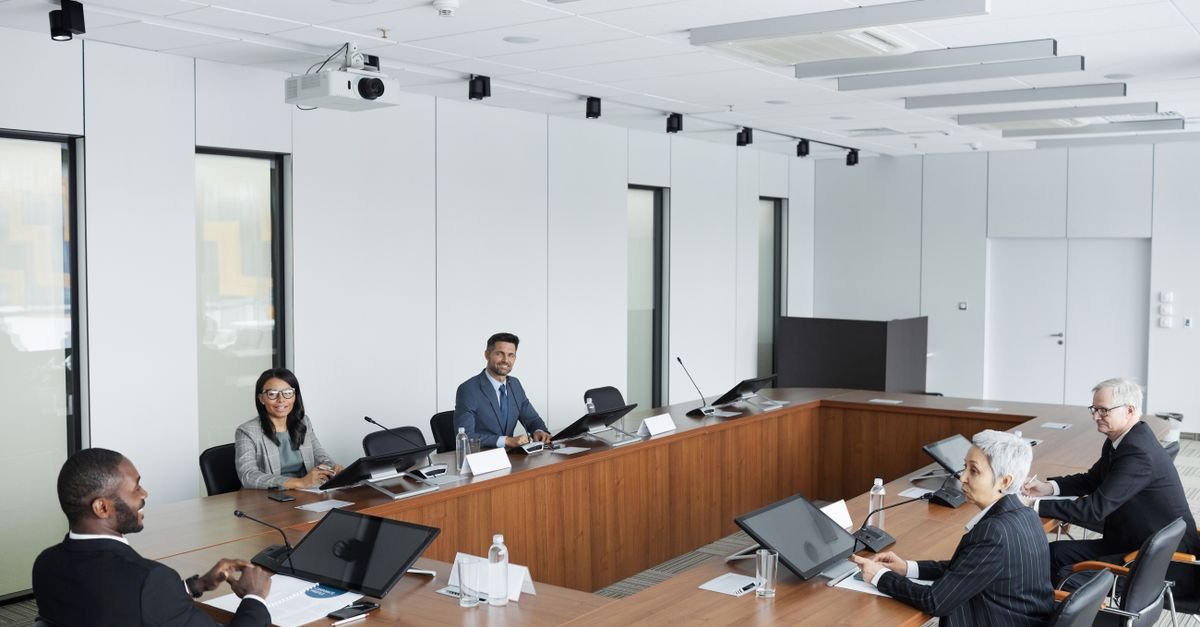
What people call the Florida state contractors board is the Construction Industry Licensing Board, an 18 member panel sitting inside the Department of Business and Professional Regulation. It splits into two divisions of nine. Department staff approve clean applications in weeks. Only flagged files reach the board, and the board meets on a published calendar, not on demand.
This site is independent. It is not affiliated with or endorsed by the Department of Business and Professional Regulation, and nothing here is legal advice. Every rule below links to the state text, checked on 9 September 2026.
What is the Florida state contractors board actually called?
There is no body in Florida law with that name. The one you want is the Construction Industry Licensing Board, usually shortened to CILB, and it is created within the department under Chapter 489, Part I of the Florida Statutes. That phrase, “within the department”, explains most of the confusion. The board is not a separate agency with its own counter and its own phone tree. It is a panel of appointed volunteers sitting inside the DBPR, and the department does the paperwork around it.
The statute is specific about who those people are. The board has 18 members, appointed by the Governor and confirmed by the Senate, serving four year terms, with nobody allowed more than two consecutive terms or more than 11 years in total. It then splits in two. Division I covers general, building and residential contractors. Division II covers the specialty trades: roofing, sheet metal, air conditioning, mechanical, pools, plumbing and underground utility. Each division has nine members and each has a quorum of five.
Why do so many pages say the board has nine members?
Several pages ranking for this search say the CILB has nine members. The statute says 18. Both numbers are in circulation because the writers looked at one division and called it the board.
The correction changes what you should expect at a hearing. Your application is not read by 18 people. It goes to the division covering your licence category, which is nine people, and that division can act with a quorum of five. The group deciding your certificate may be five contractors and a consumer member in a hotel conference room. That is more useful than imagining a full state tribunal, because it tells you the room is small and the people asking the questions build for a living.
One more distinction saves a wasted phone call. Electrical and alarm system contractors do not go to the CILB at all. They belong to the Electrical Contractors Licensing Board, a separate 11 member body under Part II of the same chapter. Same building, different board.
Who actually decides your licence, the board or the staff?
This is the question the official pages answer least clearly, so here is the split, with the state source on every row.
| The decision | Who makes it | Where it comes from |
|---|---|---|
| Whether your application is complete | Department staff, within 30 days of receipt | s. 120.60(1), F.S. |
| A clean application with nothing flagged | Department staff. No board vote, no hearing | s. 120.60(1), F.S., 90 day limit |
| Whether your experience qualifies when it is arguable | Your division of the board, at a scheduled meeting | s. 489.111(2), F.S. |
| Whether disclosed criminal history bars you | Your division, on the good moral character test | s. 489.111(1)(b), F.S. |
| Whether your finances pass | A FICO score of 660, or a 14 hour approved course | Rule 61G4-15.006, F.A.C. |
| The rules, fees and approved reference list | The board, by rulemaking, in Chapter 61G4 | s. 489.107, F.S. |
Staff handle the ordinary, the board handles the judgement calls. No board member is reading your file unless something on the form asked a question a clerk cannot answer.
What sends an application to the board instead of a staff desk?
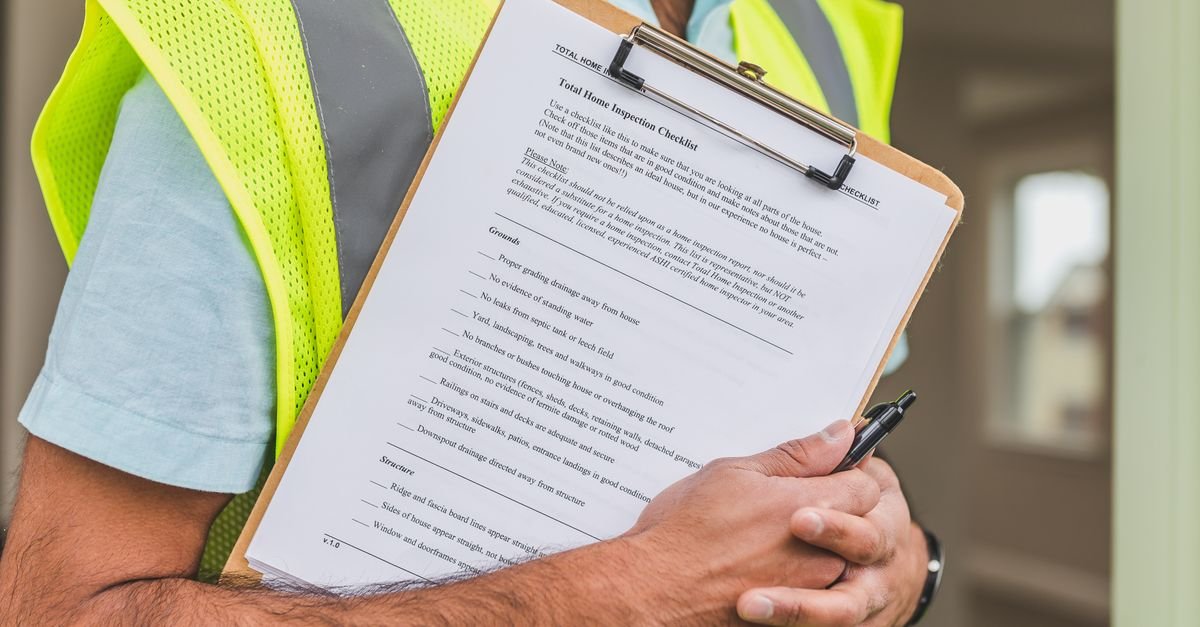
Four things, mostly. Disclosed criminal history, whatever the outcome. Finances below the threshold, which the rule sets as a FICO derived credit score of 660 or higher, with a 14 hour board approved financial responsibility course as the alternative route. Experience that does not map cleanly onto one of the paths in section 489.111, which include four years of active experience with at least one year as a foreman, or a relevant degree plus one year, with full time counted as a minimum of 2,000 person hours. And ownership or qualifier arrangements the form cannot verify on its face.
None of these is a rejection. Each is a note saying a human should look at this, which is what a board of working contractors exists for. The cost is not money. It is the calendar.
How much time does a board referral actually add?
The board meets roughly eleven times a year, usually across three days, and the schedule is published in advance on the board meeting information page. Your file is not reviewed when it is ready. It is reviewed at the next meeting it can be agendaed onto, which is why a referral costs weeks rather than hours.

Underneath that calendar sits a deadline most applicants never hear about. Under section 120.60, Florida Statutes, the agency has 30 days from receiving your application to raise errors or omissions, and it cannot later deny you for a defect it failed to raise in that window. It then has 90 days from a completed application to approve or deny, and an application not decided inside that period is considered approved. Practitioners call it the deemer clause. It is on none of the pages currently ranking for this term. The catch: asking for a continuance at a hearing usually means waiving it, which is a trade worth understanding before you are in the room agreeing to it.
What do people who have been through the board actually report?
We read four accounts on ContractorTalk, a public trade forum, from applicants and consultants who dealt with the CILB directly. They are testimony, not evidence, and none of them is the state speaking. They are still the only place anyone describes the room.
- A first time certified general contractor applicant, in a thread last active on 27 February 2026, reported being referred to Division I purely for review of experience qualifications, with no criminal history and no enforcement issues, and told in the notice that attendance was not required. He was asking what the questions are like.
- An applicant holding a Class A air conditioning licence from 2005 and a mechanical licence from 2013 described passing the CGC exam in 2020 and appearing before the board on 11 February 2021. He reported that members asked less about his experience than about past brushes with the law, and that the application was denied. Passing the exam and being approved are two different events.
- A licensing consultant posting on 28 July 2016 set out the mechanics of a denial: a motion, a second, a vote. Her point was that a denial follows you, because afterwards you attend a formal hearing for every future DBPR licence, and that an applicant hearing a motion for denial can ask to withdraw instead.
- The same consultant put a clean application approved by a standard processor at two to three weeks from submission, and said board review happens only when something in the file is wrong.
They agree with the official position that staff approval is the normal path and a referral is triggered by something specific. They add three things the state pages do not: the wait for a slot is reported in weeks to a few months, attendance is often optional and applicants are genuinely unsure whether to go anyway, and a denial has a long tail no fee schedule mentions. One account cuts against the tidy version, since that applicant found the hearing went somewhere other than the ground he was referred on. The oldest of these is from 2016, so treat the timings as reported rather than official.
Certified or registered: which one is the board even deciding?
Every argument about the board assumes you know which licence you are chasing, and many people do not. The statutory difference is short, and it decides where you can work.
| Certified | Registered | |
|---|---|---|
| What the statute says | Holds a certificate of competency issued by the department and may contract in any jurisdiction in the state without meeting local competency requirements | Registered with the department after meeting local competency requirements, and may contract only in those jurisdictions |
| Where you can work | Anywhere in Florida | Only where you have complied with local licensing, per s. 489.117, F.S. |
| Who tests you | The state exam route under Chapter 489, Part I | The local jurisdiction sets competency |
| Who decides it | The CILB and DBPR staff | The local board, with registration filed with the department |
If you are certified, the CILB is your board. If you are registered, your competency was judged locally. It is the same distinction that decides whether irrigation work needs a state or a local licence. It also decides what a county asks of you at the permit counter, which is why Pasco County still wants a state certified license recorded with it before your first inspection.
What should you do before your file reaches a board agenda?
Most referrals are avoidable and the rest are survivable. Make the experience letters specific, with dates, job values and the name of the licensed person who supervised you, because vague letters are what “review of experience qualifications” usually means. Pull your own credit report before the department does. Disclose everything, since a disclosed conviction is a conversation and an undisclosed one is a different problem. And write down your submission date, because the 30 and 90 day clocks start running whether or not anyone reminds you.
Then go and pass the thing. The application is the administrative half; the exam is the half people fail, and it is open book in a way that catches people out. If you have already sat it and lost a part, you only retake the part you failed. If you are still deciding whether you need a licence, the line between unlicensed handyman work and contracting sits in the same chapter, and the full route from application to certificate is in our guide to getting a general contractor licence in Florida.
The DBPR Customer Contact Center is reported on the department contact pages as 850-487-1395, with the board at 2601 Blair Stone Road, Tallahassee. Those pages would not load for us, so confirm both against the department site before relying on either.
Frequently asked questions
Is the Florida state contractors board the same thing as the DBPR?
No. The Department of Business and Professional Regulation is the state agency. The Construction Industry Licensing Board is an 18 member panel created within that department under section 489.107. The department employs the staff and issues the licence; the board makes rules and decides applications that staff cannot.
Do I have to attend my board meeting if I am referred?
The notice you receive says whether attendance is required. Applicants referred only for experience review have reported notices stating it was not. Since the board can ask questions nobody is there to answer, that is a decision worth taking seriously rather than by default.
How many people vote on my contractor application?
Not 18. Your file goes to the division covering your category, which has nine members, and that division can act with a quorum of five under section 489.107. Division I hears general, building and residential contractors. Division II hears the specialty trades.
What happens if the DBPR misses the 90 day deadline?
Section 120.60 says an application not approved or denied within 90 days of a completed application is considered approved, unless a recommended order recommends denial. Agreeing to a continuance at a hearing normally means waiving that clock, so understand the trade before you agree.
Can a bad credit score stop me getting licensed in Florida?
Rule 61G4-15.006 requires proof of a FICO derived credit score of 660 or higher, with no unsatisfied judgments or liens. Applicants who cannot meet the score may instead complete a 14 hour financial responsibility course approved by the board.
Which board handles electrical contractors?
Not the CILB. Electrical and alarm system contractors fall under the Electrical Contractors Licensing Board, an 11 member body under Chapter 489, Part II. The two boards are separate and appoint committees that meet jointly at least twice a year.
Rules and fees change without notice. This page was verified on the date shown and is rechecked on the weekly refresh. If you hit something different, tell us in the comments.

Leave a Reply