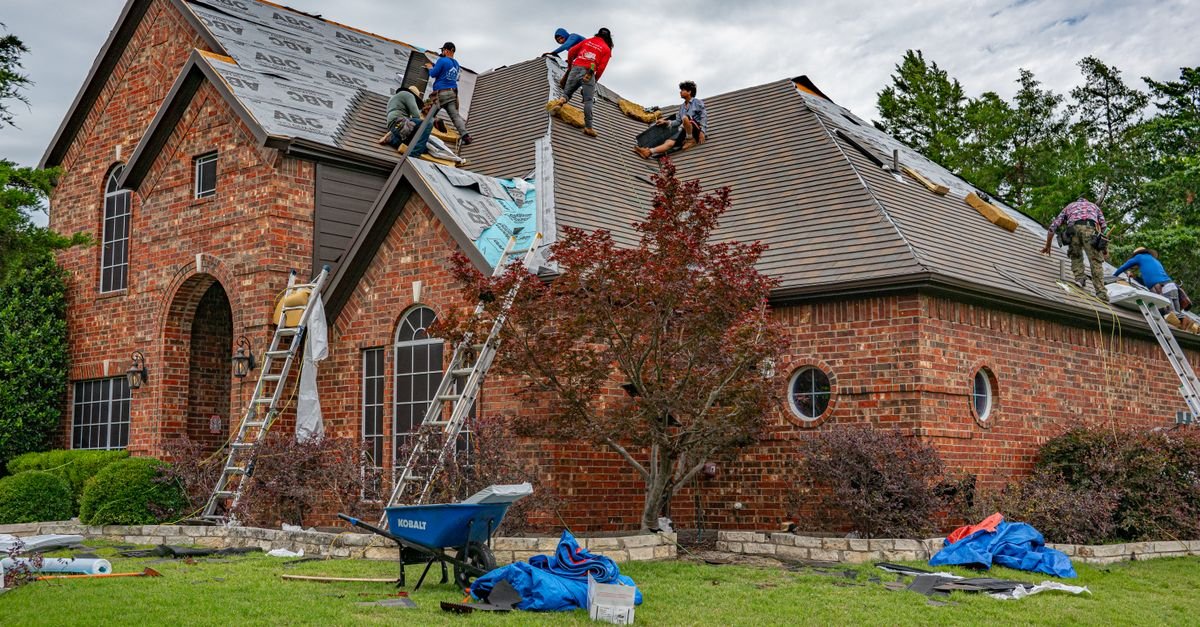
A Florida roofing contractor license lets you contract directly for roofing work, which in a state that gets hit by hurricanes is a substantial business. It is a Division II trade license with its own experience requirement and its own exam, sat alongside the same Business and Finance paper everyone takes.
It is also the trade where working without a license goes worst, and that is worth understanding before anything else.
What the license covers
Roofing contracting: installation, repair, replacement and maintenance of roof systems, together with the waterproofing and related work that goes with them.
A general or building contractor can usually include roofing inside a wider project they hold the contract for. What they generally cannot do is contract for roofing alone. If roofing is your business rather than one trade within a build, the roofing license is the one you need. the general contractor license covers the broader categories if you are weighing them up.
Why unlicensed roofing is treated differently
Every trade takes licensing seriously. Roofing enforcement in Florida is harder than most, and the reason is storms.
After a hurricane, unlicensed operators arrive, take deposits for roof repairs, and leave. It happens at scale, it happens to people who have just lost part of their home, and Florida has responded with enforcement that escalates significantly when a state of emergency is in effect.
If you are working toward this license, do not take roofing contracts while you wait for it. The penalties are steeper than in other trades, they get steeper again during a declared emergency, and a conviction sits on the background disclosure of the application you are trying to complete.
Qualifying
| Requirement | Detail |
|---|---|
| Experience | Qualifying roofing experience at appropriate responsibility |
| Education | Accredited coursework can substitute for part of it |
| Exams | Roofing trade knowledge plus Business and Finance |
| Financial responsibility | Credit review, bond available if below threshold |
| Insurance | General liability and workers compensation |
| Background check | Fingerprints and disclosure |
The general eligibility picture is the same across Florida contractor licenses and is covered in the eligibility requirements. Take current fee levels and exact year requirements from DBPR rather than from any guide.
What the trade exam covers
Roofing specific, and heavily weighted toward the things that fail in a Florida storm.
- Roof systems. Shingle, tile, metal, built up, modified bitumen, single ply. Materials, assemblies and where each is appropriate.
- Wind uplift. Fastening patterns, attachment requirements and the code provisions behind them. This carries real weight and it is the difference between a roof that stays on and one that does not.
- Underlayment and secondary water barriers. Florida specific requirements that have no equivalent in most states.
- Flashing and detailing. Where roofs actually leak, and where questions concentrate.
- Safety. Fall protection above all, given the work.
- Estimating and materials. Squares, waste factors, ordering.
If you have roofed in Florida for years, most of this is familiar. The parts that catch people are the code citations rather than the practice: knowing that a detail is right is different from knowing which section requires it.
The Business and Finance paper
Every Division II candidate sits it, and roofers report the same experience as every other trade: it is the harder of the two papers, because nothing about installing a roof teaches you lien law or job costing. the Business and Finance exam covers it, and it deserves separate preparation time rather than a weekend before.
The insurance claims question
Not an exam topic, but it will be most of your business, so it belongs in any honest article about this license.
A large share of Florida roofing work runs through insurance claims, and there are specific rules about what a contractor may and may not do in relation to a customer’s claim. The boundaries around adjusting, negotiating and advertising in this area have tightened, and getting them wrong is a licensing problem rather than merely a commercial one.
Understand those rules before you take claims work, not after a complaint. This is the area where otherwise competent roofing contractors get into disciplinary trouble.
Permits, and the paperwork that goes with every job
A roofing contractor pulls permits, and in Florida that carries specific obligations that catch new licence holders out.
Most jobs above a modest value require a Notice of Commencement recorded before work begins. Get that wrong and you create problems for the owner with their lender and problems for yourself with payment, because the notice sits at the root of the lien process. Inspections then have to be called at the right stages, and a roof that gets covered before an inspection may have to be opened back up at your cost.
- Permit before work, not during, and certainly not after a complaint
- Notice of Commencement recorded where required, before the first day on site
- Inspections called at the stages the jurisdiction requires, not batched at the end
- Final inspection closed out, because an open permit follows the property and comes back to you
None of this is difficult. It is simply administration that has to happen on every job, and it is the part that most often separates a contractor who grows from one who spends their evenings resolving problems from six months ago.
What the work actually is in Florida
Worth being straight about, because it shapes whether this license suits you. Florida roofing is seasonal in a way most trades are not, and the season is driven by weather rather than by the calendar.
A quiet year is steady replacement and repair work. A storm year is months of demand you cannot meet, customers under pressure, insurance adjusters, supply shortages and subcontractors who can name their price. Businesses that plan only for the quiet years struggle in the busy ones, and the reverse is worse.
- Demand arrives in surges rather than evenly, so cash flow planning matters more than in most trades
- Material availability and price move sharply after a major storm
- Labor is the binding constraint in a busy period, not work
- Customer expectations after a storm are shaped by distress, which changes how you need to communicate
Heat, safety and why the license takes it seriously
Roofing has one of the higher injury rates in construction and Florida adds heat to the ordinary risks of working at height. Fall protection carries real weight on the exam for that reason, and it is not box ticking.
The practical side that the exam cannot test, but which any roofing contractor has to solve, is scheduling around heat. Early starts, hydration, rotation and knowing the signs of heat illness in your crew are part of running roofing work in this state rather than an optional extra.
A sensible order
- Confirm your roofing experience meets the requirement and identify who will verify it.
- Prepare for both papers, weighting Business and Finance more than instinct suggests.
- Sort financial documentation and insurance in parallel.
- Sit the exams.
- Submit with everything assembled, and read up on claims rules before your first insurance job.
If you fail a paper, what happens if you fail covers what happens next. It is more forgiving than people fear.
Frequently asked questions
Is a roofing license a Division I or Division II license?
Division II. It is a trade specific license rather than one of the broad building categories, which means the experience requirement and the exam are focused on roofing rather than on general construction management.
Can a general contractor do roofing work?
A general or building contractor can typically include roofing within a larger project they are contracting for. Contracting directly for roofing alone generally requires the roofing license. If roofing is your business rather than a component of it, you want the roofing license.
Why is unlicensed roofing treated more seriously?
Because of what follows a hurricane. Unlicensed roofing after a storm is a persistent fraud problem in Florida, enforcement is correspondingly aggressive, and penalties escalate sharply when a state of emergency is in effect.
What does the exam cover?
Roofing systems and materials, installation methods, the Florida Building Code as it applies to roofing including wind uplift and coastal requirements, safety, and estimating. Plus the Business and Finance exam, which every candidate sits.
Do I need to know about insurance claims work?
It is not an exam subject but it is a large part of Florida roofing in practice. There are specific rules about what a contractor may and may not do in relation to a customer’s insurance claim, and they are worth understanding before you take that work.
Rules and fees change without notice. This page was verified on the date shown and is rechecked regularly. If you hit something different, tell us in the comments.

Leave a Reply